
What is Glaucoma?
Glaucoma is the second leading cause of blindness worldwide, affecting over 12 million people in India, where it’s known as “Kala Motiya.”
Silent & Serious Condition Glaucoma is a major eye disease that damages the optic nerve, potentially leading to permanent blindness.
Increased Eye Pressure Often linked to high intraocular pressure, glaucoma can also develop in individuals with normal eye pressure.
Gradual Progression The disease progresses slowly and often without symptoms, making it hard to detect until it causes significant vision loss.
Early Detection is Key Timely diagnosis and treatment can manage the condition and prevent irreversible blindness.
Symptoms:-
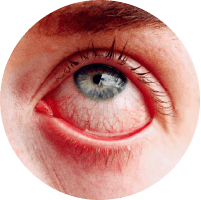
Red eyes

Peripheral vision loss

Halo around light

Eyes pain

Blurred vision

Blind spots
Risk Factors
Genetic - Family History
High Blood Pressure
Diabetics
Frequent change of glasses
People experiencing migraines
Age factor – 40 years and above
Types of Glaucoma conditions
At first, the glaucoma symptoms may affect only a small part of your vision and you may be unaware of any vision loss. But as the glaucoma eye condition progresses, it damages more of your optic nerve, and can cause changes in your vision. Early detection of Glaucoma at Centre for Eye Sight, Siliguri, Assam can prevent it from growing. For example, you may notice changes such as:-
Secondary Glaucoma
Secondary glaucoma eye condition might develop post vitreo-retinal surgery, corneal surgeries, trauma, inflammation, certain glaucoma drugs (such as steroids).
Normal-Tension Glaucoma
In this type of Glaucoma, optic nerve damage occurs despite normal eye pressure, one of the least understood glaucoma causes.
Angle-Closure Glaucoma
This condition occurs when the angle is narrow or closed, leading to a sudden, painful eye condition and potential vision loss, seek immediate glaucoma treatment.
Open-Angle Glaucoma
In this glaucoma condition the outflow of fluid is hampered, increasing the eye pressure.
Ocular Hypertension
In this condition, eye pressure is elevated, but optic nerve damage has not yet occurred, making it a critical stage to understand glaucoma symptoms and act early.
Pediatric Glaucoma
Sometimes a child is born with Glaucoma or may develop it in early childhood.
Routinely Performed Procedures
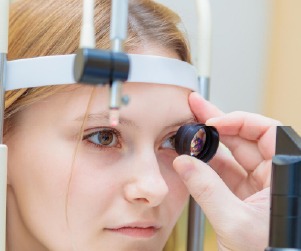
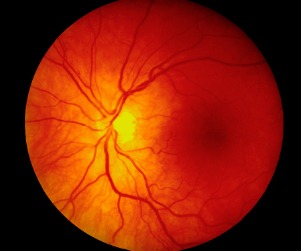
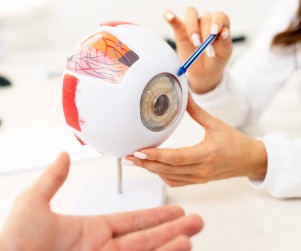
Don't let eye problems steal your sight. Schedule your appointment today.
Book My AppointmentDon't let eye problems steal your sight. Schedule your appointment today.
Book My AppointmentFrequently Asked Question
-
What is glaucoma?
Glaucoma is a group of eye diseases that affect the optic nerve, often caused by increased intraocular pressure. Understanding what is glaucoma and recognizing early glaucoma symptoms is important, as if left untreated, it can lead to irreversible vision loss.
-
How common is glaucoma?
Glaucoma is a leading cause of blindness globally. In India alone, more than 12 million people are estimated to suffer from this condition, highlighting the importance of early detection and timely glaucoma treatment.
-
Are there different types of glaucoma?
Yes, there are various types of glaucoma, including open angle glaucoma, angle closure glaucoma, Normal-Tension Glaucoma, Pediatric Glaucoma, and Secondary Glaucoma.
-
What are the symptoms of glaucoma?
Glaucoma is often referred to as the "sneak thief" of sight as it typically presents without noticeable symptoms of glaucoma in the early stages. Regular eye check-ups are crucial for early detection of this glaucoma eye condition.
-
How is glaucoma diagnosed?
Diagnosis involves comprehensive eye examinations to detect glaucoma, including measuring intraocular pressure, assessing the optic nerve, and visual field testing as part of overall glaucoma treatment planning.
-
Can glaucoma be prevented?
While it cannot be entirely prevented, early detection and timely glaucoma treatment at Centre for Eye Sight, Siliguri, can significantly slow down or prevent further vision loss.
-
What treatments are available for glaucoma?
Treatment options include glaucoma medication, laser therapy, and surgical interventions like trabeculectomy, MIGS, and glaucoma surgery, tailored to the specific type and severity of glaucoma, delivered by World Class Doctors at Centre for Eye Sight, North Bengal, Siliguri.
-
How often should one have eye check-ups for glaucoma?
Regular eye check-ups are essential, especially for those at higher risk, such as individuals with a family history of glaucoma or those above the age of 40.
-
Is glaucoma hereditary?
Yes, there is a genetic component, and individuals with a family history of glaucoma may have a higher risk of developing the condition.
-
Can children have glaucoma?
Yes, pediatric glaucoma exists, and it may be present from birth or develop in the early years of a child's life. Early diagnosis and intervention are crucial for better outcomes.


